
Weight loss success depends on implementing evidence-based nutrition strategies rather than following restrictive diets or temporary trends. Effective weight management requires sustainable approaches that integrate into daily routines while supporting both weight reduction and overall health outcomes. Current nutrition research emphasizes the importance of understanding how different foods affect metabolism, satiety, and energy balance.
These scientific insights enable individuals to make informed dietary choices that optimize meal composition and timing for weight loss goals. Evidence-based nutrition strategies focus on creating sustainable eating patterns that provide adequate nutrients while maintaining a caloric deficit necessary for weight reduction. Successful weight management involves developing practical skills for meal planning, portion control, and food selection.
These approaches emphasize creating a positive relationship with food based on nutritional value and physiological needs rather than restrictive eating patterns. Research-supported nutrition strategies can help individuals achieve consistent weight loss while maintaining energy levels and supporting long-term health objectives.
Key Takeaways
- Nutrition hacks in 2026 leverage scientific insights to optimize weight loss effectively.
- Top strategies include meal planning, prepping, and incorporating superfoods for enhanced results.
- Technology plays a crucial role in personalizing and tracking nutrition for weight management.
- Mindful eating practices significantly contribute to sustainable weight loss outcomes.
- Long-term success depends on consistently implementing these nutrition hacks into daily routines.
The Science Behind Nutrition Hacks for Weight Loss
Understanding the science behind nutrition hacks is crucial for their successful implementation in your weight loss journey. At its core, weight loss occurs when you create a calorie deficit—burning more calories than you consume. However, the quality of the calories you consume plays a significant role in how your body processes food and utilizes energy.
Nutrition hacks often focus on enhancing the nutritional value of your meals while keeping calorie intake in check. This means prioritizing whole foods rich in nutrients over processed options that may be high in empty calories. Research has shown that certain foods can boost metabolism, reduce appetite, and improve satiety, making them invaluable allies in your weight loss efforts.
For instance, protein-rich foods require more energy to digest, leading to a higher thermic effect of food (TEF). Incorporating lean proteins into your meals can help you feel fuller for longer while also supporting muscle maintenance during weight loss. Additionally, fiber-rich foods such as fruits, vegetables, and whole grains can slow digestion and promote feelings of fullness, making it easier for you to resist unhealthy snacks. Start your resolutions early by visiting New Years for exclusive offers.
Top 5 Nutrition Hacks for 2026 Weight Loss
1. **Prioritize Protein**: One of the most effective nutrition hacks for weight loss is to prioritize protein in your diet. By including a source of protein in every meal and snack, you can enhance satiety and reduce cravings.
Whether it’s lean meats, legumes, or plant-based protein sources like tofu and tempeh, incorporating protein can help stabilize blood sugar levels and keep hunger at bay. 2. **Hydrate Wisely**: Staying hydrated is often overlooked in weight loss strategies.
Drinking water before meals can help you consume fewer calories overall by promoting a sense of fullness. Additionally, swapping sugary beverages for water or herbal teas can significantly reduce your calorie intake without sacrificing satisfaction. 3.
**Mind Your Portions**: Portion control is another essential hack for effective weight management. Using smaller plates and bowls can trick your brain into thinking you’re eating more than you actually are. This simple change can help you enjoy your favorite foods while keeping calorie intake in check.
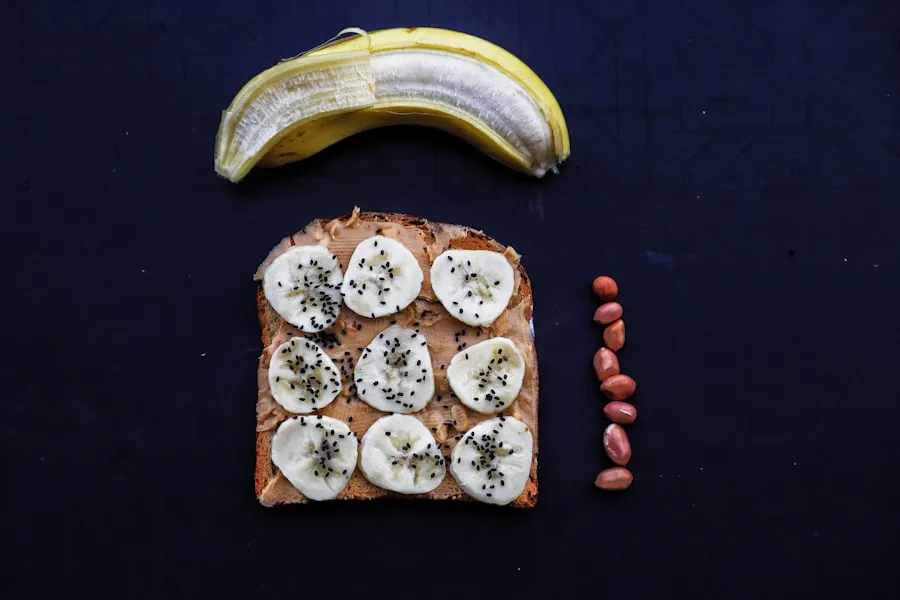
4. **Snack Smart**: Instead of reaching for processed snacks that are high in sugar and unhealthy fats, opt for nutrient-dense options like nuts, seeds, or yogurt with fruit. These snacks not only provide essential nutrients but also help curb hunger between meals.
5. **Plan Your Meals**: Meal planning is a powerful tool that can streamline your weight loss efforts. By preparing meals in advance, you can ensure that you have healthy options readily available, reducing the temptation to indulge in unhealthy choices when hunger strikes.
Meal Planning and Prepping for Success
Meal planning is an invaluable strategy that can set you up for success on your weight loss journey. By dedicating time each week to plan your meals, you can take control of your nutrition and avoid last-minute decisions that may lead to unhealthy eating habits. Start by assessing your schedule and determining how many meals you need to prepare for the week ahead.
This foresight allows you to create a shopping list that includes all the ingredients necessary for nutritious meals. When planning your meals, aim for variety to keep things interesting and enjoyable. Incorporate different proteins, grains, and vegetables to ensure you’re getting a wide range of nutrients.
Batch cooking is another effective technique; preparing larger quantities of meals allows you to portion them out for the week ahead. This not only saves time but also makes it easier to stick to your nutrition goals when healthy options are readily available.
Incorporating Superfoods for Maximum Weight Loss
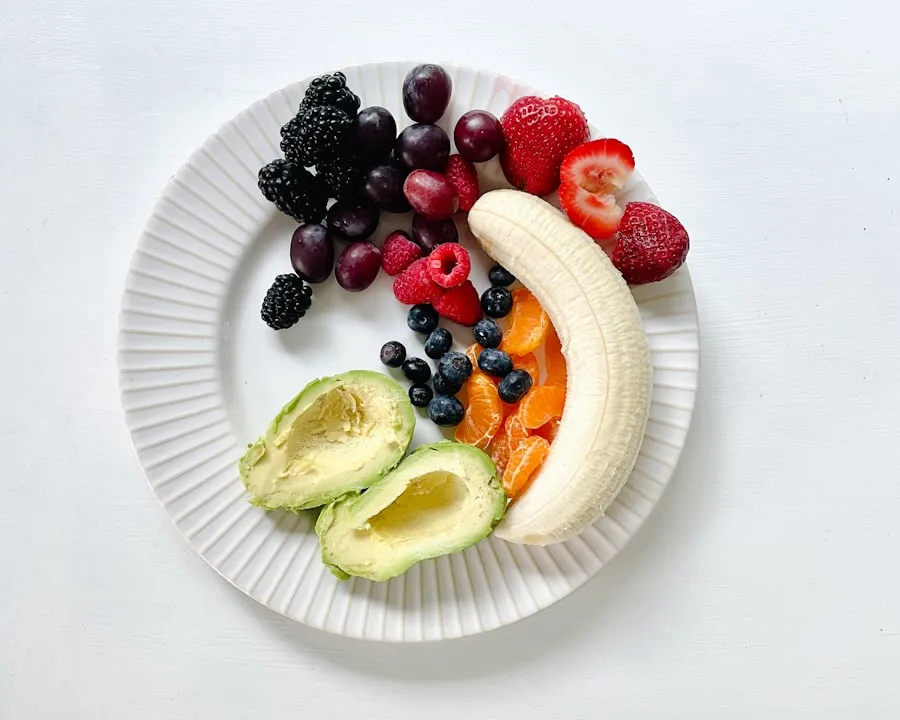
Superfoods are nutrient-dense foods that offer numerous health benefits and can be particularly beneficial for weight loss. Incorporating these foods into your diet can enhance your overall nutrition while supporting your weight management goals. Foods like berries, leafy greens, quinoa, and avocados are packed with vitamins, minerals, and antioxidants that promote health and well-being.
Berries, for example, are low in calories but high in fiber and antioxidants, making them an excellent choice for satisfying sweet cravings without derailing your progress. Leafy greens like spinach and kale are not only low in calories but also rich in nutrients that support metabolism and overall health. Quinoa is a complete protein source that provides essential amino acids while keeping you full longer due to its fiber content.
By integrating these superfoods into your meals and snacks, you can maximize the nutritional value of your diet while supporting your weight loss efforts.
The Role of Technology in 2026 Weight Loss Nutrition
In 2026, technology plays an increasingly vital role in helping individuals achieve their weight loss goals through improved nutrition tracking and meal planning tools. With the rise of mobile apps and wearable devices, you now have access to a wealth of information at your fingertips. These tools allow you to monitor your food intake, track physical activity, and even analyze nutrient consumption with ease.
Using apps designed for meal planning can simplify the process of creating balanced meals tailored to your specific dietary needs.
Additionally, wearable devices can track your physical activity levels and provide insights into how many calories you’re burning throughout the day, helping you make informed decisions about your nutrition.
Mindful Eating and Its Impact on Weight Loss
Mindful eating is an approach that encourages you to pay attention to the experience of eating—focusing on the flavors, textures, and sensations of food while being aware of hunger cues and emotional triggers. This practice can significantly impact your weight loss journey by fostering a healthier relationship with food. When you eat mindfully, you’re more likely to savor each bite and recognize when you’re satisfied, which can prevent overeating.
Chew slowly and appreciate the flavors of each bite; this not only enhances enjoyment but also allows your body time to signal when it’s full. By cultivating mindfulness around food choices and eating habits, you can develop a more intuitive approach to nutrition that supports long-term weight management.
Implementing Nutrition Hacks for Long-Term Weight Loss Success
As you navigate the complexities of weight loss in 2026, implementing effective nutrition hacks can pave the way for lasting success. By prioritizing whole foods, planning meals thoughtfully, incorporating superfoods, leveraging technology, and practicing mindful eating, you can create a sustainable approach to nutrition that aligns with your goals. Remember that weight loss is not just about numbers on a scale; it’s about fostering a healthy relationship with food and making choices that nourish both body and mind.
Ultimately, the journey toward weight loss is unique for everyone; what works for one person may not work for another. Therefore, it’s essential to remain flexible and open-minded as you experiment with different strategies to find what resonates with you. By embracing these nutrition hacks as part of your lifestyle rather than viewing them as temporary fixes, you’ll be better equipped to achieve long-term success on your weight loss journey while enjoying the process along the way.
For those looking to enhance their weight loss journey in 2026, exploring effective nutrition hacks can be incredibly beneficial. A related article that provides valuable insights into starting your journey is the comprehensive guide on affiliate marketing for beginners. This resource not only covers essential strategies for success but also emphasizes the importance of maintaining a healthy lifestyle while pursuing your goals. You can read more about it in the article How to Start Affiliate Marketing for Beginners: A Step-by-Step Guide.
Leave a Reply